
Volunteer for farmland biodiversity – gain support, learn, and make a difference
Farmers in the back seat
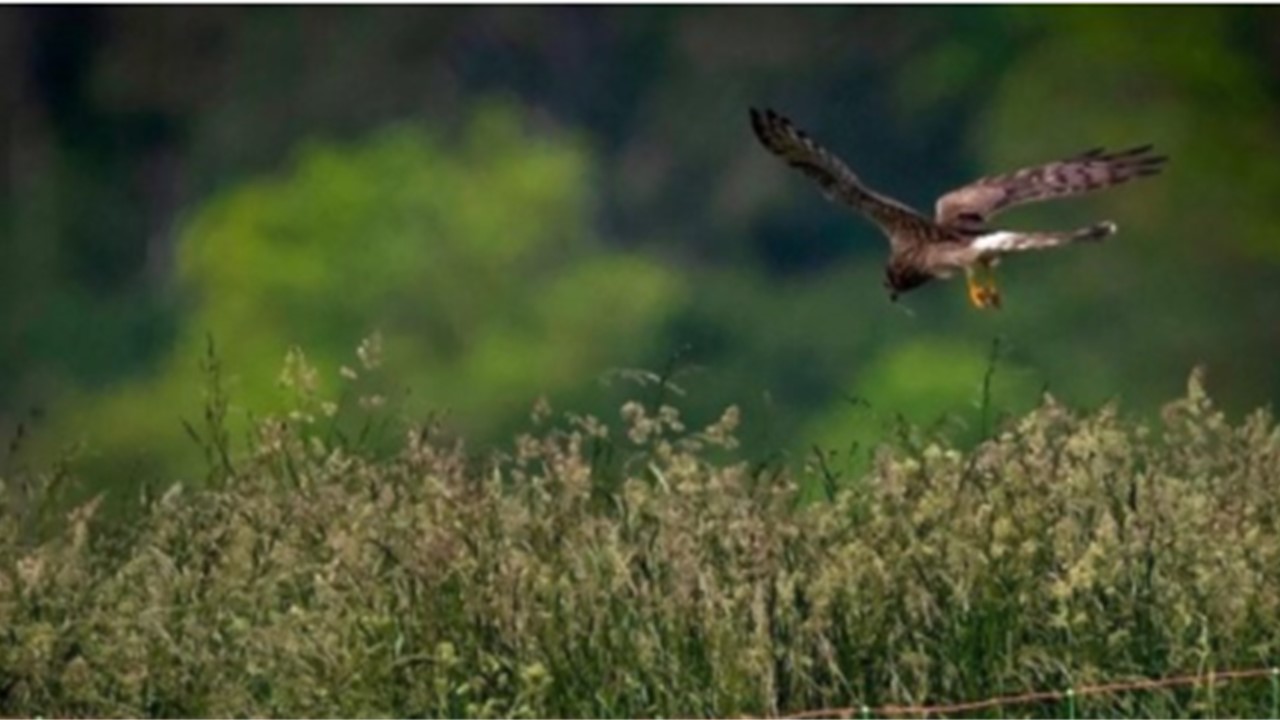
Some initiatives take place on or around farmers’ land without their direct involvement, although farmers may receive feedback from volunteers. These actions aim to direct protect wild farmland species, evaluate the success of conservation efforts or gain a deeper understanding of the distribution and abundance of biodiversity in farmland. One such initiative focuses on the monitoring of the Montagu’s Harrier, a relatively rare bird of prey in southern Sweden. Volunteer birdwatchers work with local authorities to locate and protect these nests and inform farmers who have a nest on their land before fields are mowed, ensuring the birds’ safety without disrupting farming activities too much.
Additionally, researchers reached out to farmers offering to monitor pollinators on their land. Some farmers preferred to receive feedback from naturalist volunteers rather than do the monitoring themselves. They appreciated the volunteers’ insights and supported their efforts, even if they lacked the time or knowledge to participate directly. This cooperation helped build social ties between groups that might otherwise remain separate.
Asking volunteers for help
In other cases, farmers took a more active step by seeking support. One example is the reintroduction of the white stork, a species once lost in Sweden due to land use changes. The project, a collaboration between two NGOs, has two main goals: bringing back the white stork to farmland and raising the issue of restoring the wetlands that are vital to its habitat. Volunteers play a key role in this initiative by caring for and feeding young storks, preparing them for life in the wild and encouraging the return of a species tied to restored landscapes that could benefit other species. Although farmers are not directly involved in the project, it assists landowners by providing guidance on building nesting platforms and advice on wetland restoration efforts.
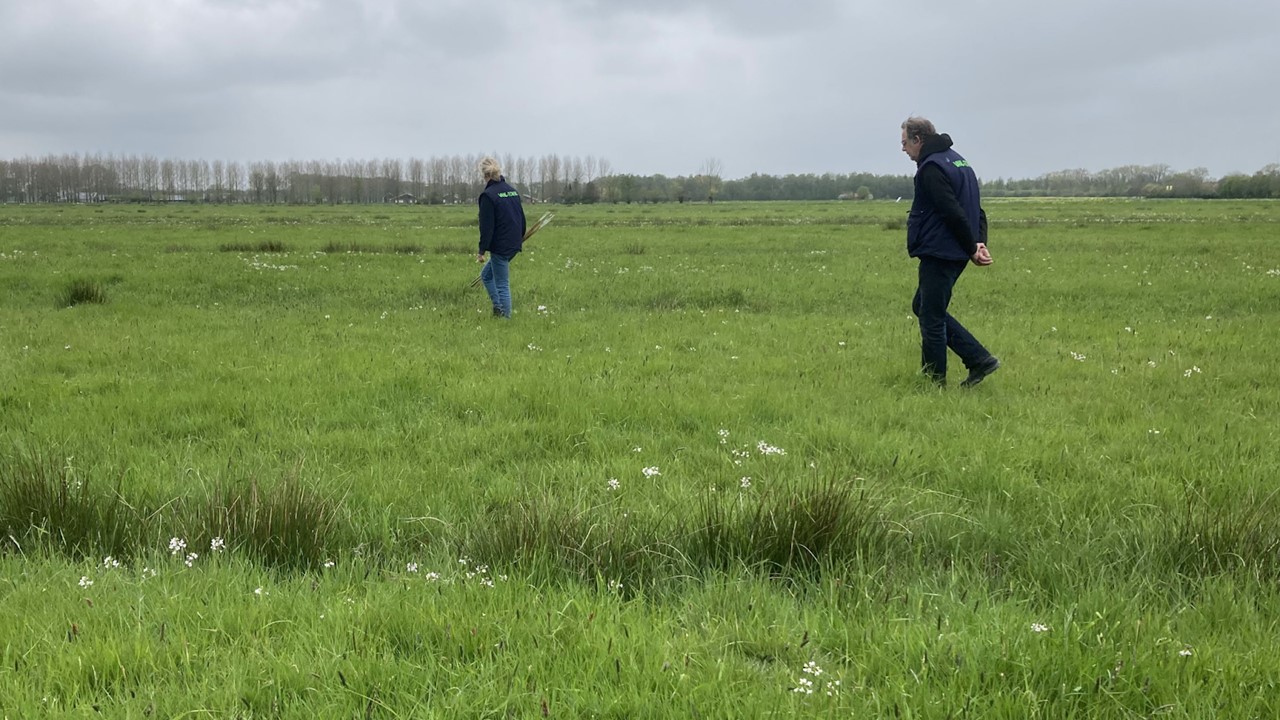
A similar model exists in the Netherlands, where volunteers help locate the nests of meadow birds such as the lapwing, black-tailed godwit, and oystercatcher. These nests are marked so that farmers and contractors can avoid them during mowing, supporting breeding success. This tradition has led to the formation of local agricultural communities focused on conservation, often linked to agri-environmental schemes that offer financial compensation to farmers. Such efforts rely on coordinating organisations that connect existing structures within both the farming and conservation sectors. As a result, many farmers have come to value and adopt these biodiversity-friendly practices, inspired by the volunteers working on their land.
Farmers as citizen scientists
The highest level of involvement occurs when farmers become biodiversity volunteers themselves, taking on the role of citizen scientists. This is exemplified in a moth monitoring project, also in the Netherlands, where farmers set up and manage insect traps on their land to support data collection. This is exemplified by a moth monitoring project in the Netherlands, where farmers set up insect traps, photograph the species, and share data with researchers (De Vlinderstichting). Their motivation was not only to provide valuable ecological information, but also to counter misconceptions about farming’s impact on biodiversity.
Similarly, as part of Showcase, farmers in Sweden, Spain and the UK monitored pollinators on their land by identifying insects themselves. Their goals included learning more about their land, assessing the impact of their practices on biodiversity, and contributing to scientific research. While some participants initially found it difficult to make time for observations, others found creative ways to integrate monitoring into their daily routines.
From across all these examples, what we have seen is that involvement supports conservation by providing data, encouraging responsibility for nature, and strengthening community bonds, which fosters a shared commitment to preserving our environment for future generations.

