
Maintaining biodiversity by keeping at least 10% of shrubs in Romanian grasslands
The Romanian EBA
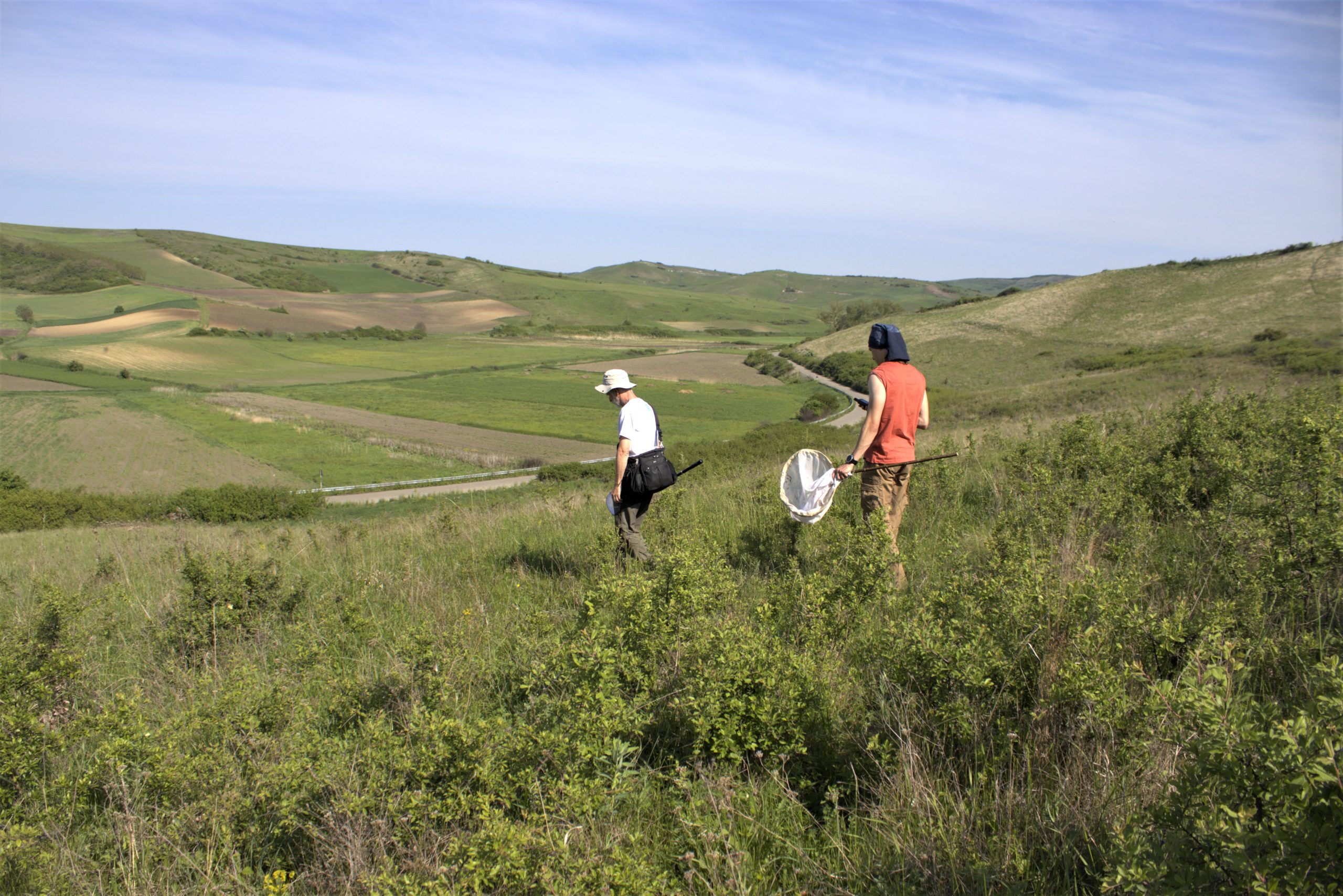
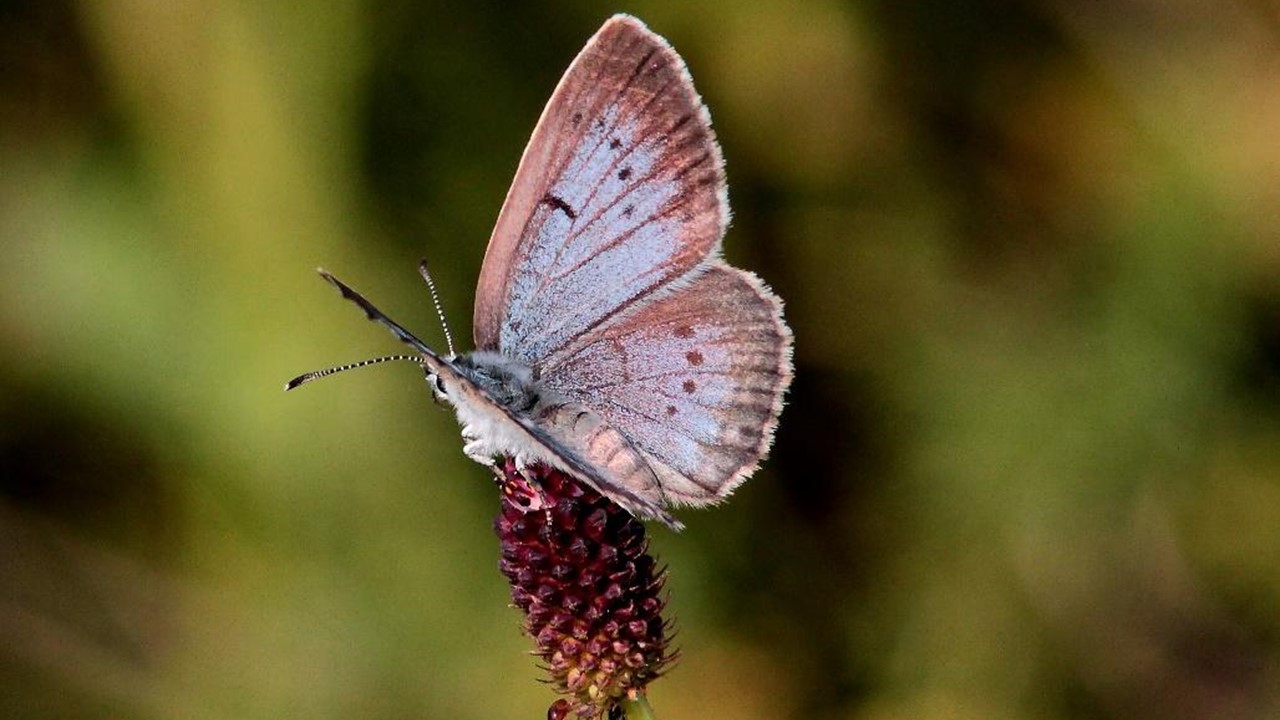
The Romanian EBA aimed to evaluate the impacts on butterfly biodiversity of agri-environmental measures aiming to mechanically or manually clear areas of high shrub density. The studies operated in Transylvania, in the Natura 2000 Site East Cluj Hills, which includes the ”Land of the blue butterflies”, which is an area where the locals brand their local products and services with this name. The region’s name originates from the presence of four species of The Large Blue Butterfly (Phengaris ssp.), for whose protection special conservation measures have been developed in the past. The area incorporates 23 villages, situated in a hilly area, characterized by clayey-sandy or calcareous soils, on which natural and semi-natural grasslands with a unique biodiversity in the world, supported by traditional, extensive agricultural systems have formed.
Our approach
We implemented the standardized butterfly monitoring methodologies in 15 locations where the shrubs have been removed one year prior and 15 locations where the shrub cover is higher than 25-30%.
What we found
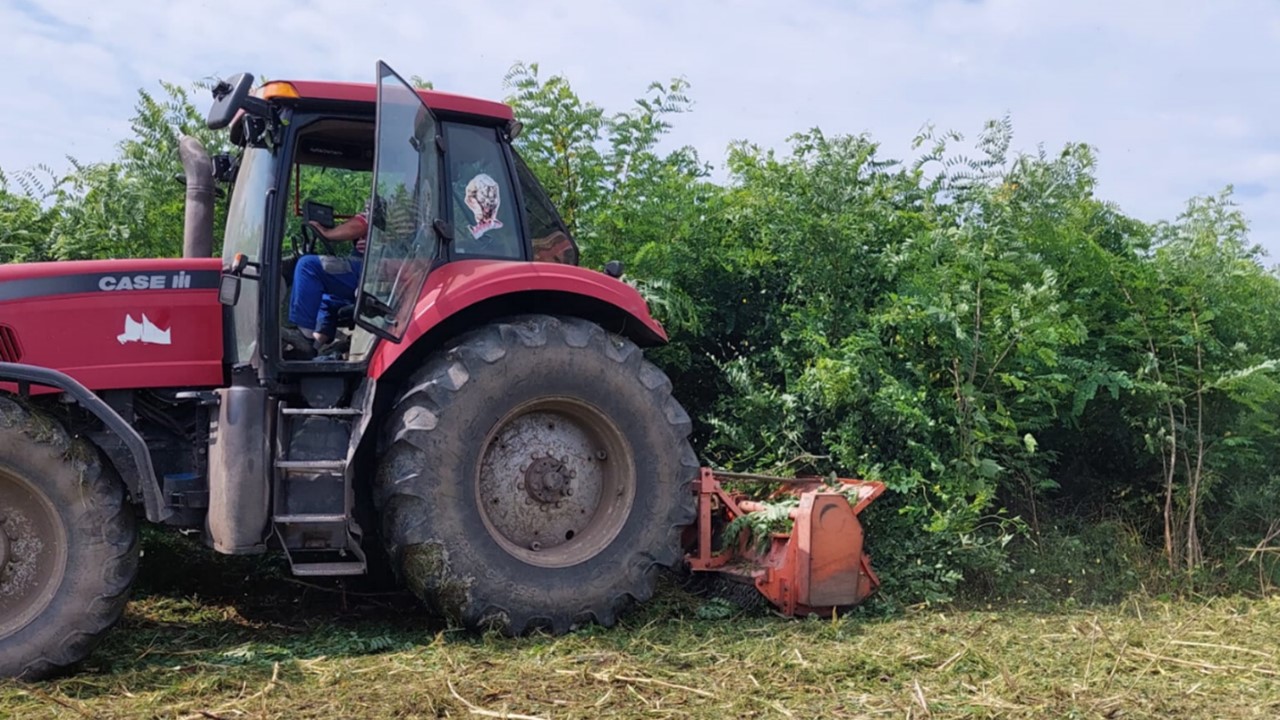
The butterfly analysis shows that for the cut areas diversity increased from one year to the next. On the other hand, in the control plots where the shrubs were not cut, diversity was very similar in both 2022 and 2023, with no statistically significant difference between the years. Diversity is relatively high in the control plots because there were paths and patches of grassland between the dense shrubs. This creates diverse microhabitats suitable for many butterfly species. However, in a few years these shrubs will become very dense and homogenous, which will be detrimental to biodiversity. These areas with shrubs cannot be used for agriculture or livestock, and so there is an important opportunity to cut the shrubs to maintain biodiversity.
What are the implications
Based on our findings and the experience of local farmers, we have co-developed some recommendations for shrub removal.
- Mechanical clearing of shrubs through mulching is preferable to manual clearing, as the cleared area can be used for grazing or to mow the vegetation for hay production from the second year onwards. Manual clearing is recommended to reduce shrub encroachment on meadows where it exceeds 15% but has not yet reached 30%. In such cases, manual removal restores the open spaces between the shrubs that are necessary for the development of a variety of plant and animal species, especially insects and birds.
- The complete removal of shrubs has a negative impact on biodiversity. Maintaining structures in which shrubs occupy 5-15% of the grassland and are relatively evenly distributed, or with small, compact areas of shrubs, is the optimal alternative for biodiversity and farmers.
Keeping 15-20% of shrubs per hectare effectively maintains grassland biodiversity, which is crucial for farmers, as it make them eligible for financial support for shrub removal, without which it would be difficult for farmers to remove the shrubs and thereby support butterfly biodiversity.

