
Impact of grazing on soil biodiversity in the Estonian coastal agroecosystem
The Estonian EBA
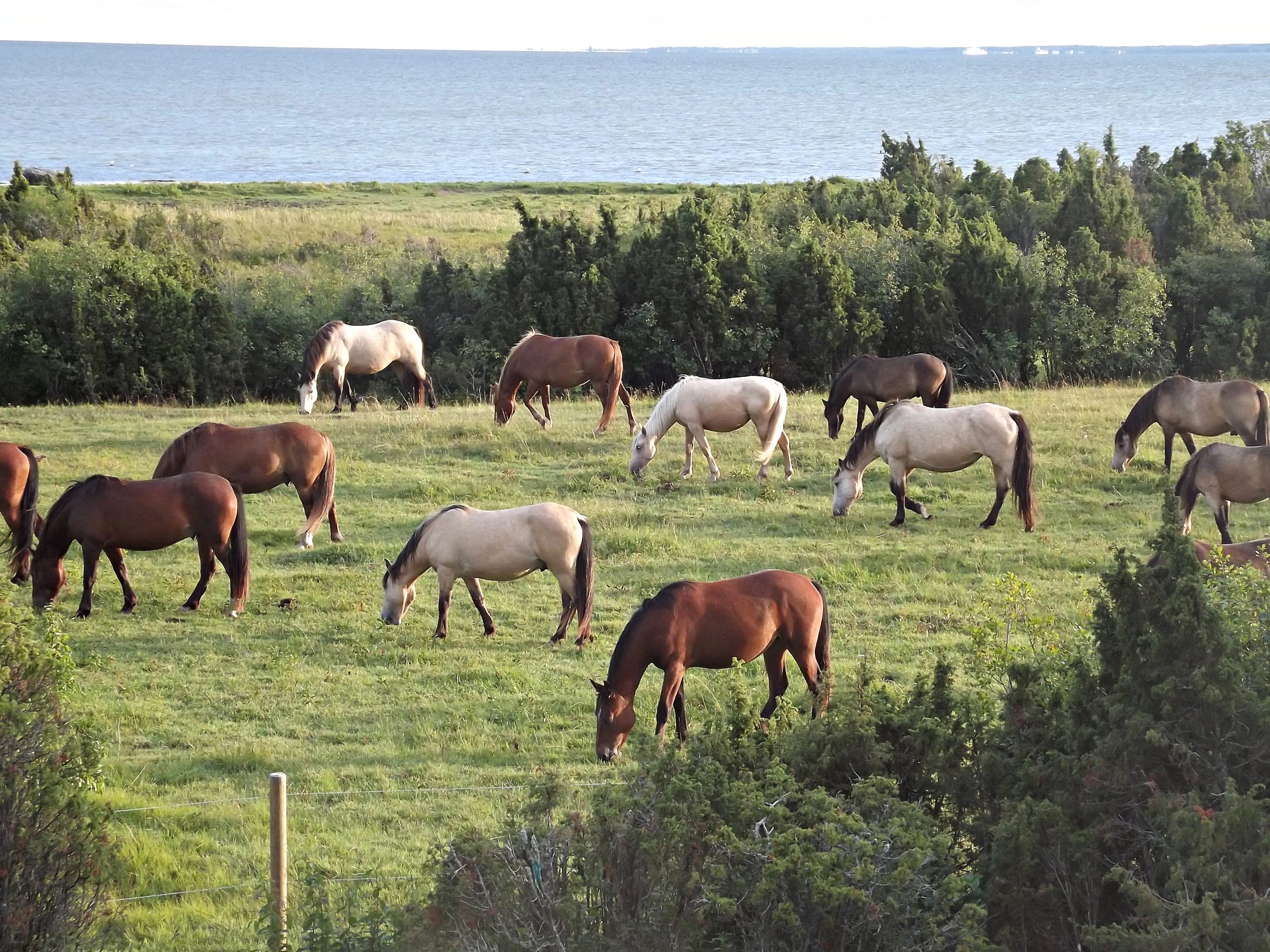
The Estonian Experimental Biodiversity Area (EE EBA) is located on mainland Estonia’s western and southwestern coast next to the Baltic Sea in the Pärnu and Lääne counties, covering the coastline of about 300 km. The vegetation is characterised by sand beach ridges, dunes and wetlands, large area of coastal and floodplain grasslands as well as reedbeds. The area is also rich in other semi-natural habitats with high biodiversity, forest containing pine forests, mixed spruce and deciduous forests and dry boreal forests. Many of those nature values are protected and their management follow specific regulations and restrictions.
Our approach
The intervention focused on reintroducing grazing in abandoned coastal meadows, which had become overgrown with shrubs and trees. These restored sites were compared with nearby control areas—similar meadows that remained unmanaged.
Field experiments were carried out in 2021 on 10 farms, where farmers and landowners collaborated in the design of the intervention through general discussions. The study monitored key biodiversity indicators, including plant species, ground-dwelling beetles, and spiders, to assess the ecological effects of grazing compared to abandonment.
The participating farmers were selected based on their cooperation with the Estonian Environmental Board, a government institution responsible for managing semi-natural habitats in the protected areas and areas of NATURA 2000 network.
What we found
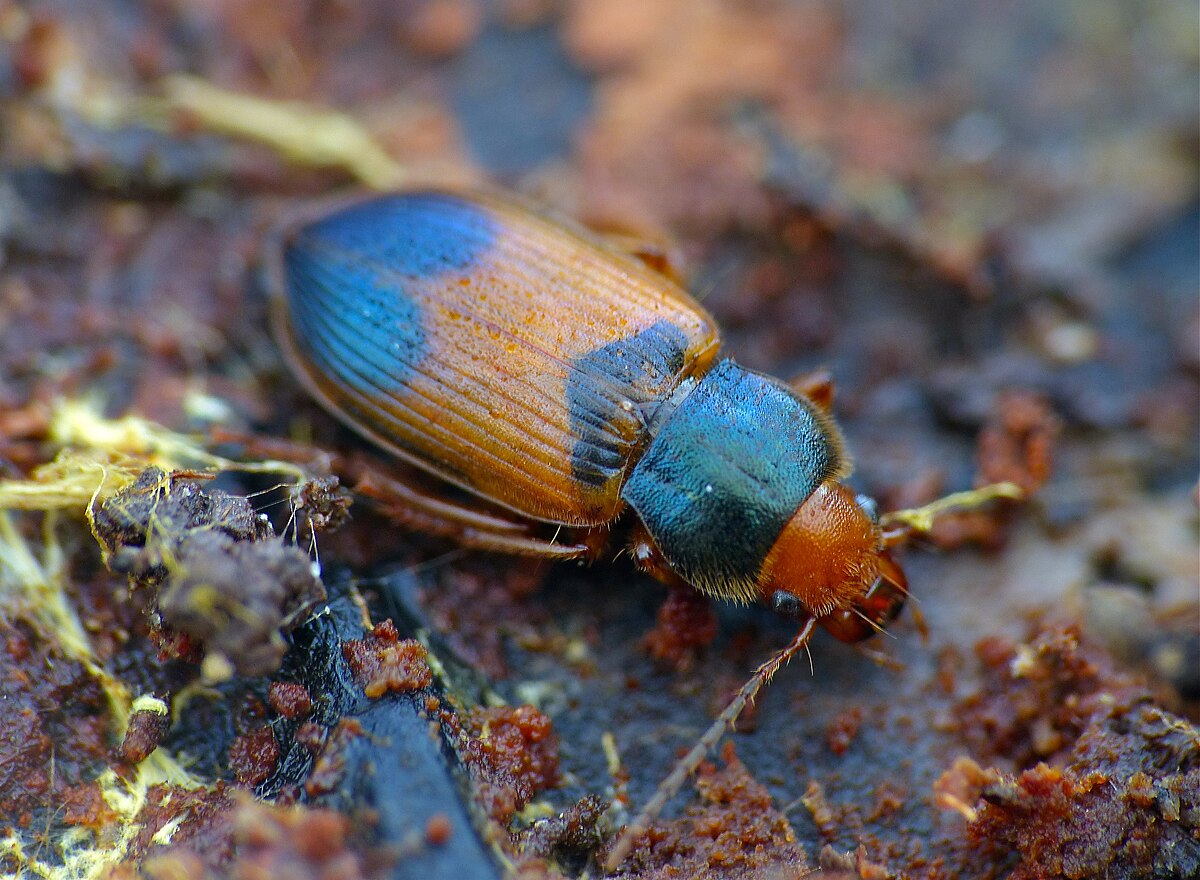
In 2021, researchers identified 87 species of ground beetles and 107 species of spiders using pitfall traps. Several of these were new records for Estonia, and their presence in coastal habitats may reflect range shifts linked to climate change.
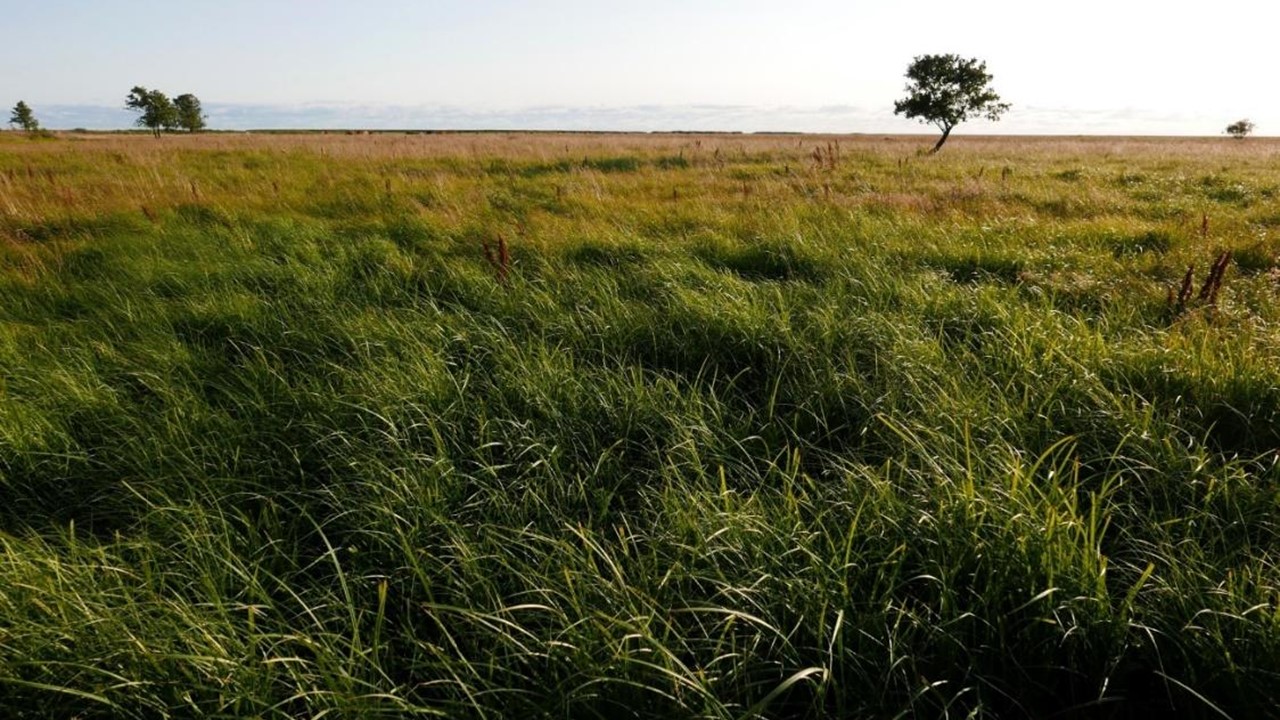
Grazing had a significantly positive effect on the species richness of both ground beetles and spiders in the coastal habitats of West-Estonian and the Gulf of Livonia lowlands. Notably, the most diverse communities were found in the grazed grasslands of the Gulf of Livonia, suggesting this region is particularly responsive to active management.
A clear difference was observed between open grazed habitats and abandoned wooded areas:
- Open and grazed grasslands were inhabited by more generalist ground beetle and spider species—those with broad habitat and diet preferences— with smaller body sizes and higher flight tendency. hese habitats hosted highly diverse soil-associated arthropod communities.
- Abandoned and wooded habitats, by contrast, were home to more specialist species and offer stable environmental conditions essential for the conservation of less mobile species.
What are the implications
It is crucial to prioritize wooded habitats in coastal areas for specialist species due to their vulnerability to disturbance. At the same time, sustainable management practices, including also fallow periods or rotational management would be helpful for the maintenance of diverse landscapes and overall biodiversity in coastal habitats. The main challenge is the pressure for more intensive management and the reduction of natural elements, including the removal of trees and shrubs. Trees, shrubs, and other landscape elements that are not managed but contribute to landscape diversity are excluded from areas eligible for subsidies. Luckily, this practice is changing.

