
How ecological interventions boost yields and biodiversity on farms in Hungary
The Hungarian EBA
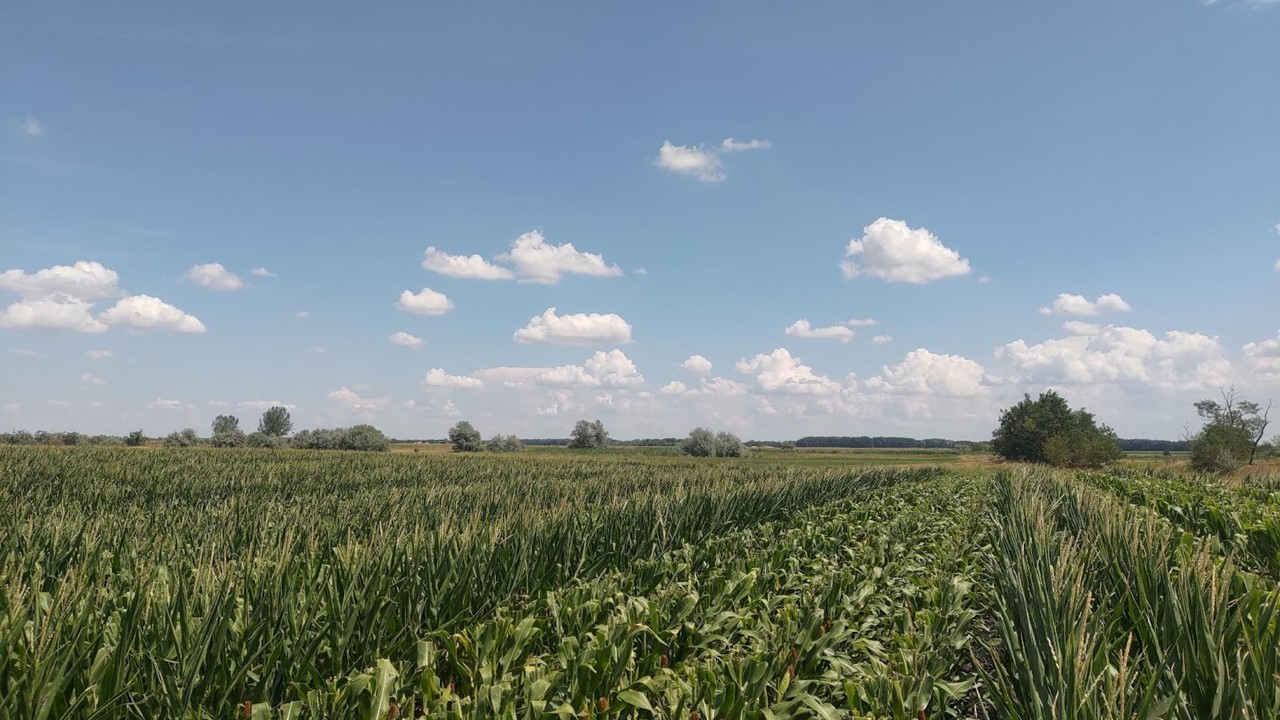
We collaborated with 10 farmers in Central Hungary, in the Kiskunság region, a landscape characterised by low-intensity agriculture, including semi-natural grasslands, wetlands, and arable fields. Together, we implemented two experiments.
Our approach
We implemented two complementary interventions to explore how native wildflowers can support biodiversity in different agricultural contexts.
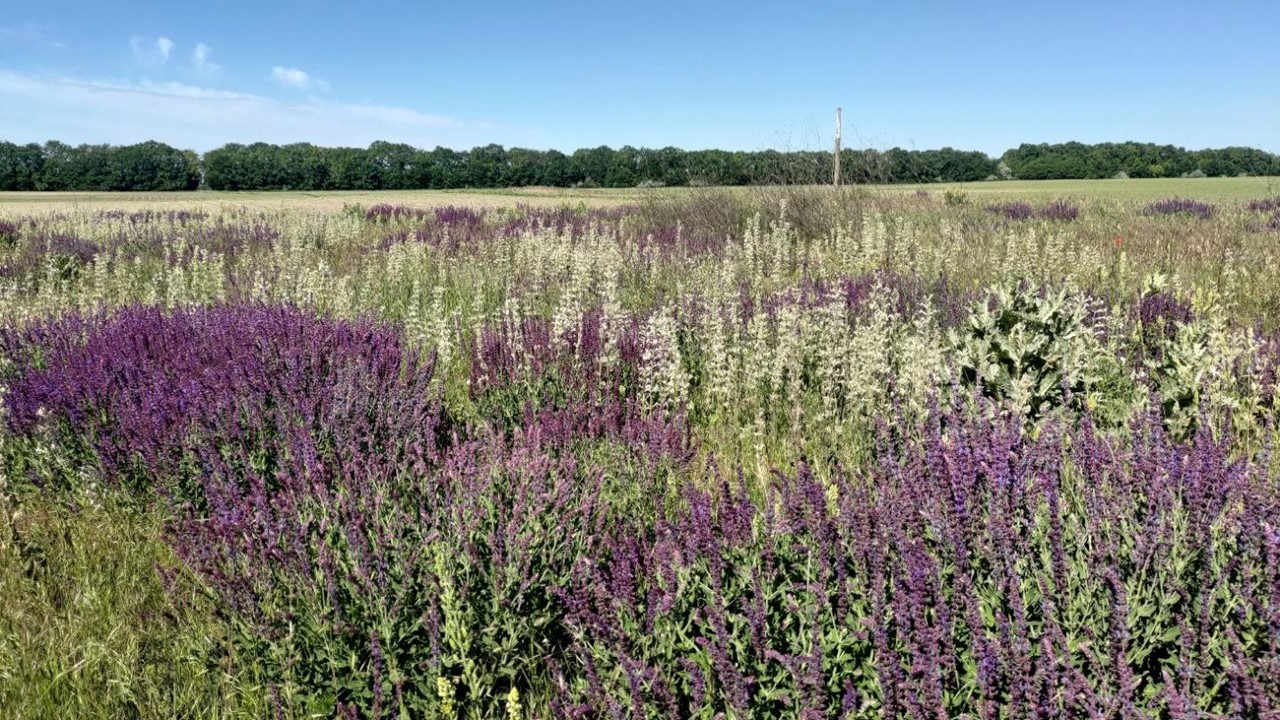
In the first, we overseeded 0.5 ha fallow plots—former arable lands now used for grazing and hay meadows—with a mix of 11 native species, including 7 legumes known to improve soil fertility. We chose plant species with a variety of sizes and structures, a range of flower sizes and colours, to offer the widest range of resources for biodiversity. For each sown plot, we also chose an untreated control plot of the same size, to see how the fallows look like without our intervention. The fallows were mowed once a year. We monitored the soil, plants and pollinators on all overseeded and untreated plots.
In the second experiment, we established 8 fields (0.5 ha each) with sown strips along the edges of crops—mostly wheat, barley, corn and sunflower. These included both flower strips and sown plots using a mix of 32 locally native species which covered a variety of architectures, flower colours and sizes, and we also included some locally rare plants. We monitored pollinators and birds in the fields and strips.
What we found
Both interventions had positive effects on biodiversity and ecosystem services.
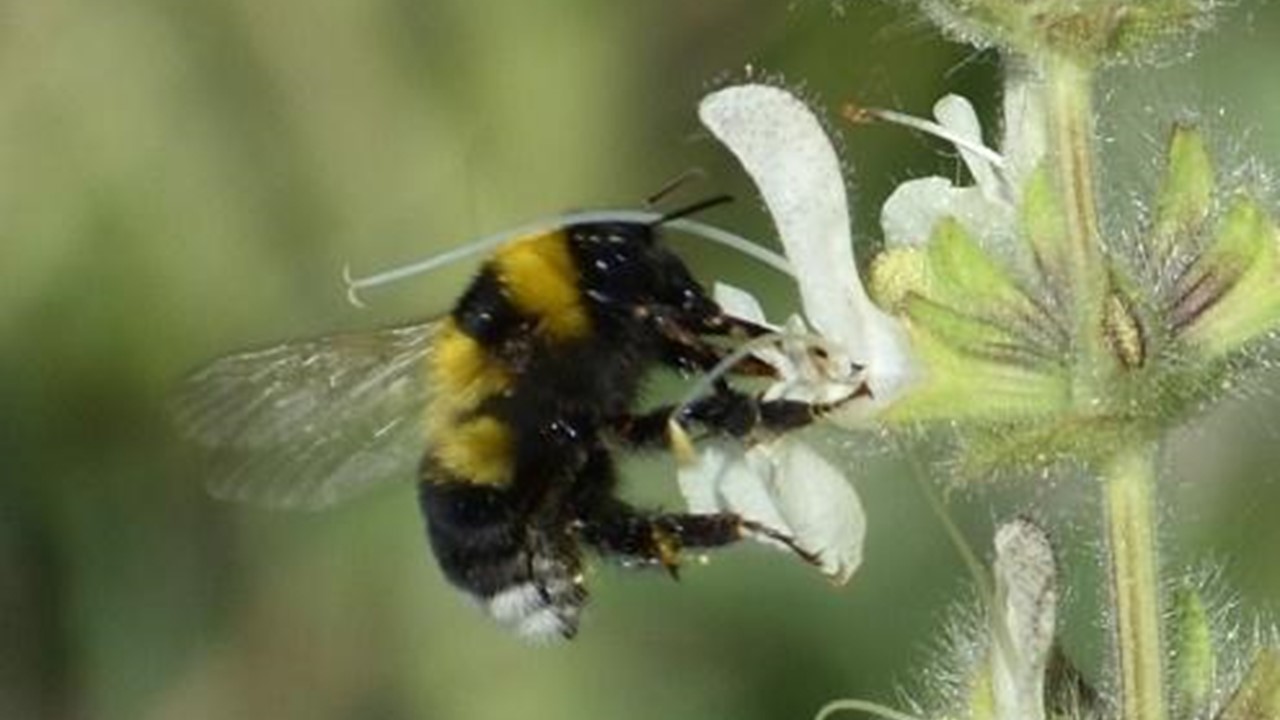
In the overseeding experiment, we found that hay mass significantly increased on the overseeded plots, providing more food for cattle and sheep. The number of wild flowers increased, and increases in pollinators followed; in the third year after the overseeding, wild bee and butterfly abundance increased as well, and remained high in the following years. At the same time, the soil quality also improved, due to the increased number of legumes.
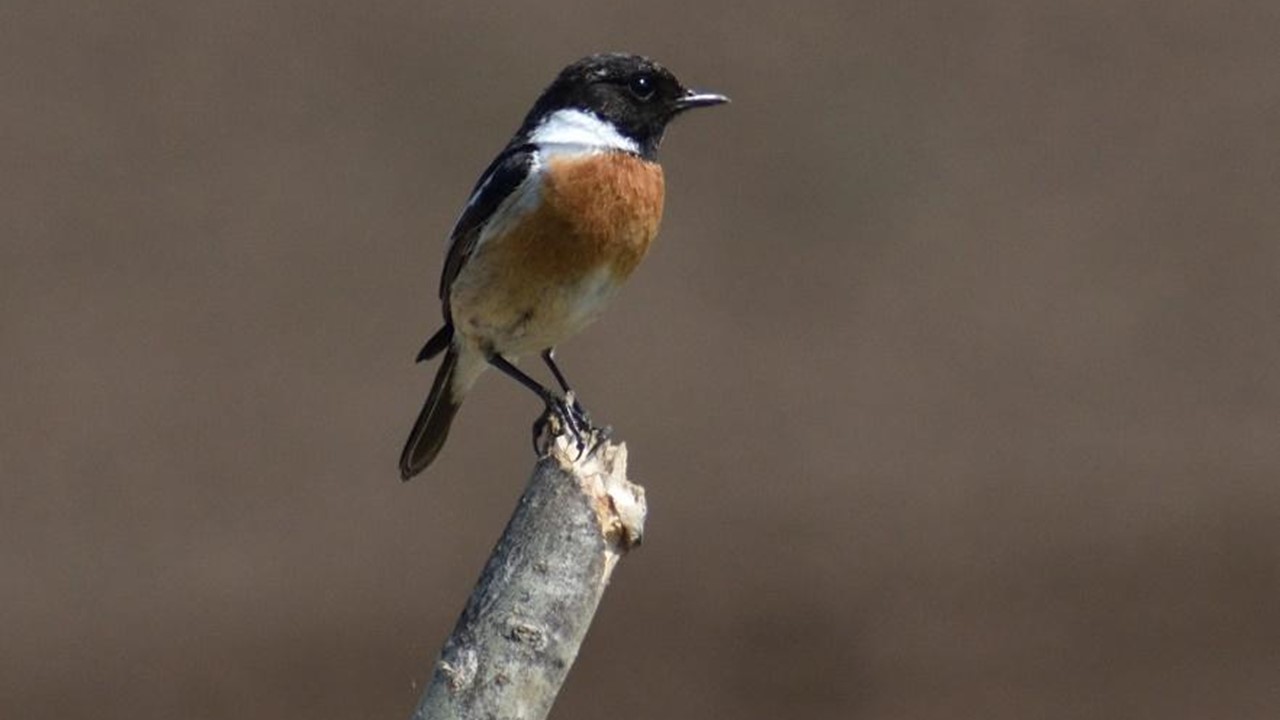
In the wildflower field experiment, both the wild flower strips and fields had a positive effect on pollinators, especially in homogeneous agricultural landscapes, where wild bee abundance increased around the sown areas. In contrast, the effect was less pronounced in heterogeneous landscapes, where pollinators have access to plenty of semi-natural habitats and are less dependent on sown flower patches. We also found that wild flower patches attracted farmland birds, with a preference for the larger, single-field patches over narrow strips. An additional benefit of our pollinator friendly treatment was realized by local hunters, as game often used the wild flower strips and fields as resting and feeding places.
What are the implications
Taken together, our experiments reveal benefits not only for pollinators, but also for birds and game. From the farmers’ perspective, both experiments were successful, and all the farmers reported they had seen their soil quality improved, and they had more hay on their meadows. In addition, hunters reported that game used the wild flower strips for both feeding and resting, and farmland birds also benefited from these habitats too. As biodiversity improved, the yield either did not change (wild flower strips) or improved (overseeding), demonstrating that biodiversity and production can go hand in hand.

