
Boosting insect biodiversity in stone fruit orchards
The Spanish EBA
The Spanish Experimental Biodiversity Area is stablished on 16 stone fruit farms in the Vega del Guadalquivir region, a fertile, flat river valley located northeast of Seville (Southern Spain). This region is mostly devoted to intensive agriculture with significant surface cover by woody crops like citrus, olive groves and stone fruit orchards. Together with stone fruit farmers and other agriculture-related stakeholders, we initiated the Guadalquivida community, with the aim of testing local solutions to local challenges, sharing a core approach with other initiatives through Europe.
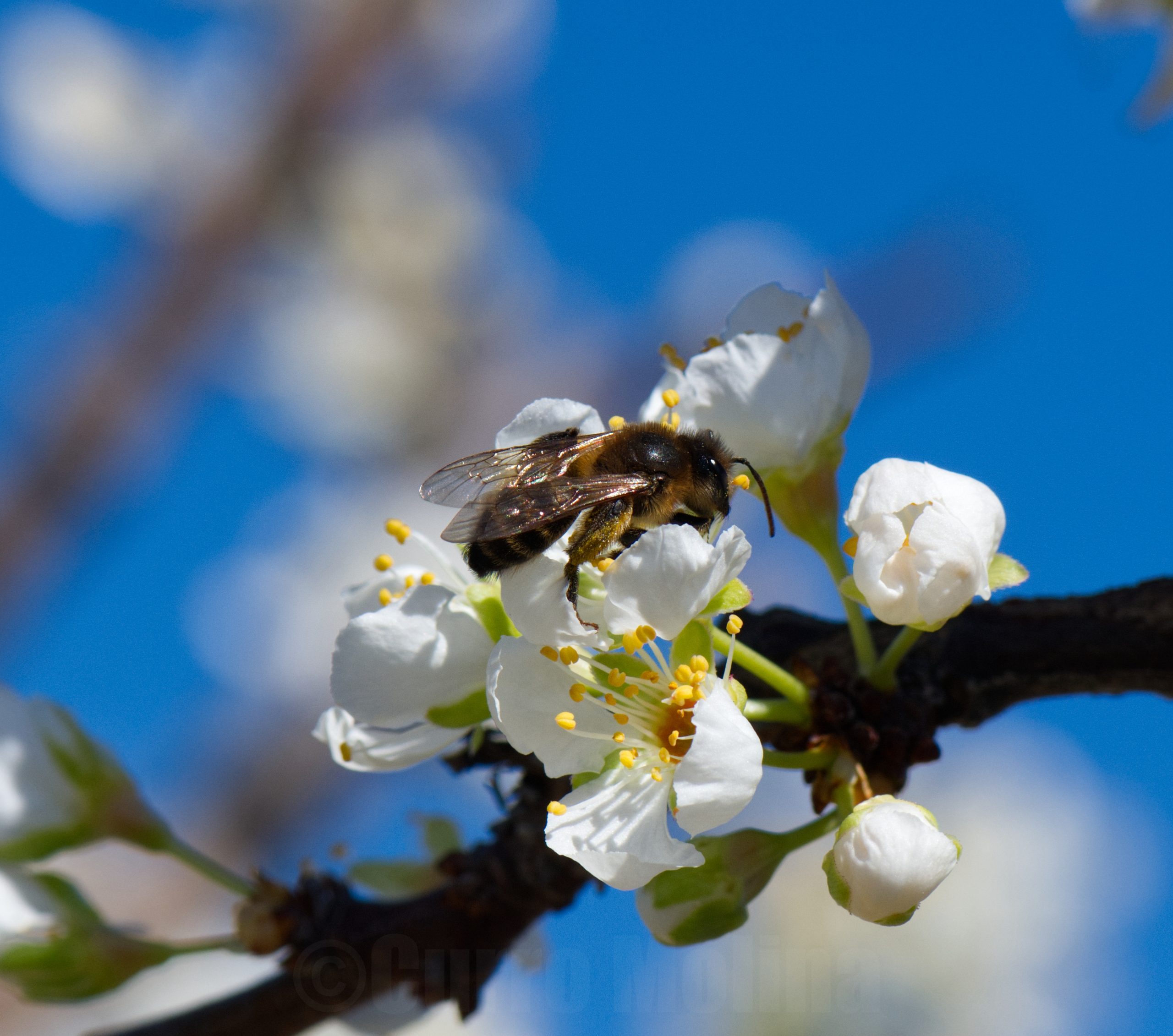
Photos credit: Curro Molina
Our approach
To explore biodiversity-friendly practices without compromising productivity, conducted an in-person diagnosis workshop to identify needs and opportunities. This workshop consisted of three joint activities: (1) an ice-breaking discussion on biodiversity perception; (2) farm mapping study to understand business-as-usual management in the farms; and (3) a problem tree analysis to identify potential solutions and opportunities linked to biodiversity.
As a result, participants expressed strong interest in understanding the biodiversity status within their farms and in co-designing interventions aligned with current and future Common Agricultural Policy (CAP) measures.
Based on these insights, scientists developed an intervention dossier outlining evidence-based options, with a focus on flower strips and hedges. Following two rounds of on-farm visits and consultations with farmers, technicians and other stakeholders, the community selected flowering green covers as the experimental intervention. These covers aimed to enhance farm stability by supporting beneficial fauna, improving soil characteristics, and disrupting pest cycles—without compromising yield.
The green covers contain a seed mix of five species: two clovers (Trifolium pratense and Trifolium repens), mustard green (Brassica juncea), Rye (Secale Cereale), and hairy vetch (Vicia villosa). As part of the co-design, farmers chose the area of implementation and common management practices were adapted to daily operations within the farms. In each farm, we planted green covers on 1 ha of land (our experimental treatment) and left 1 ha bare (our control). We monitored how the green covers affected biodiversity of plants, pollinators and spiders, as well as crop yields. The trial was conducted in 16 stone fruit orchards, including peach (Prunus persicae), nectarine (P. persicae nucipersica), plum (P. domestica) and almond (P. dulcis) trees.
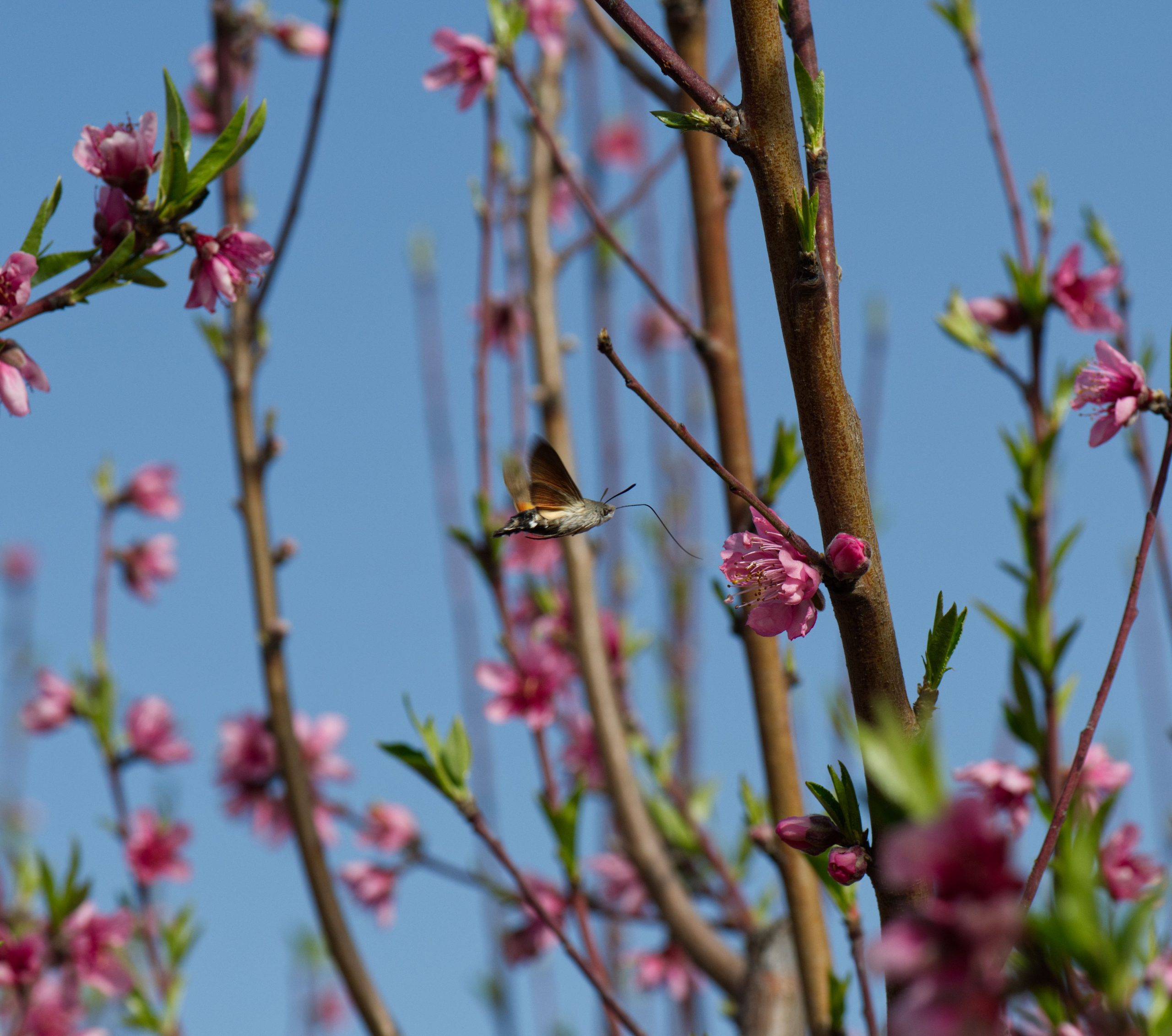
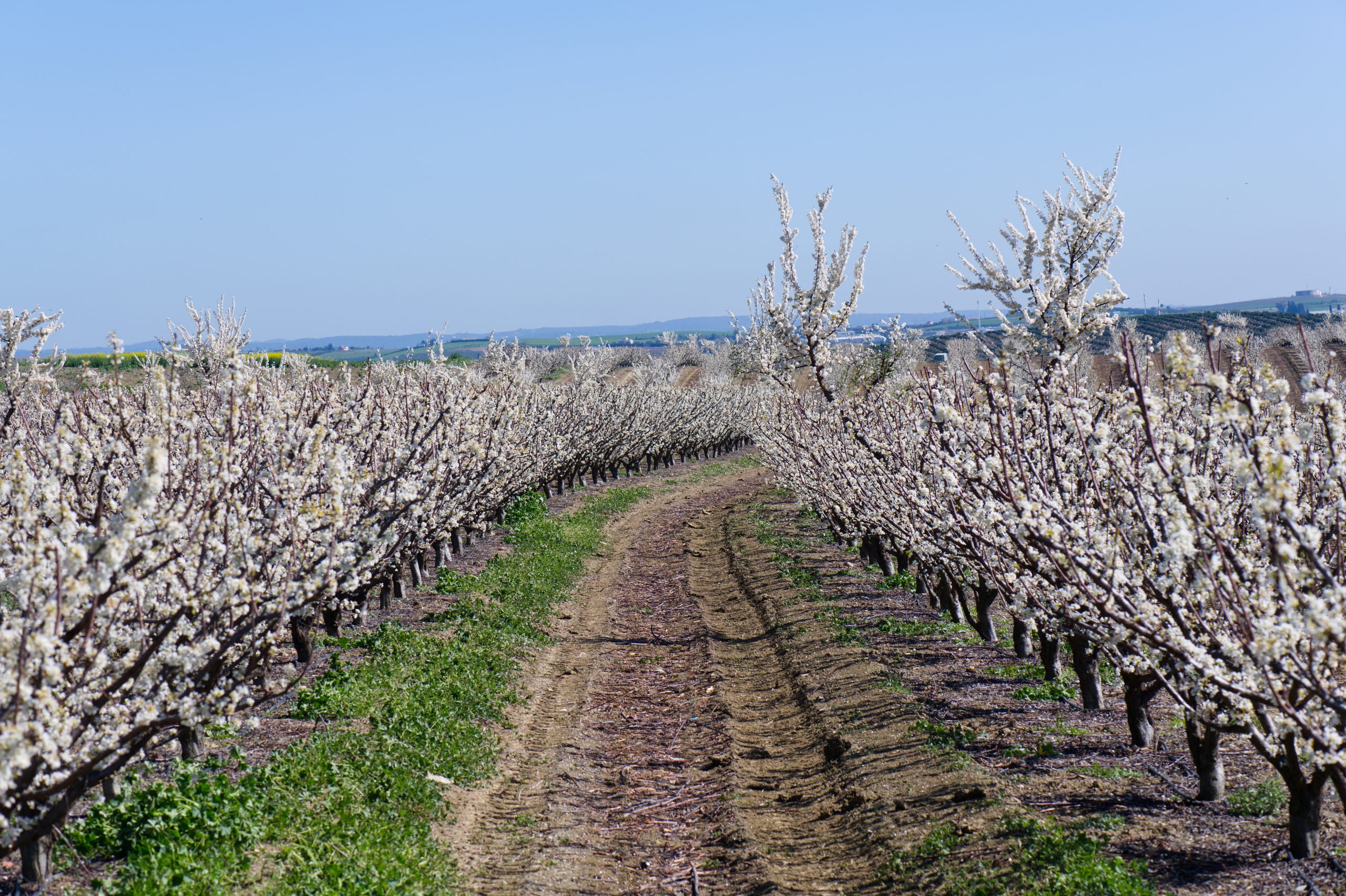
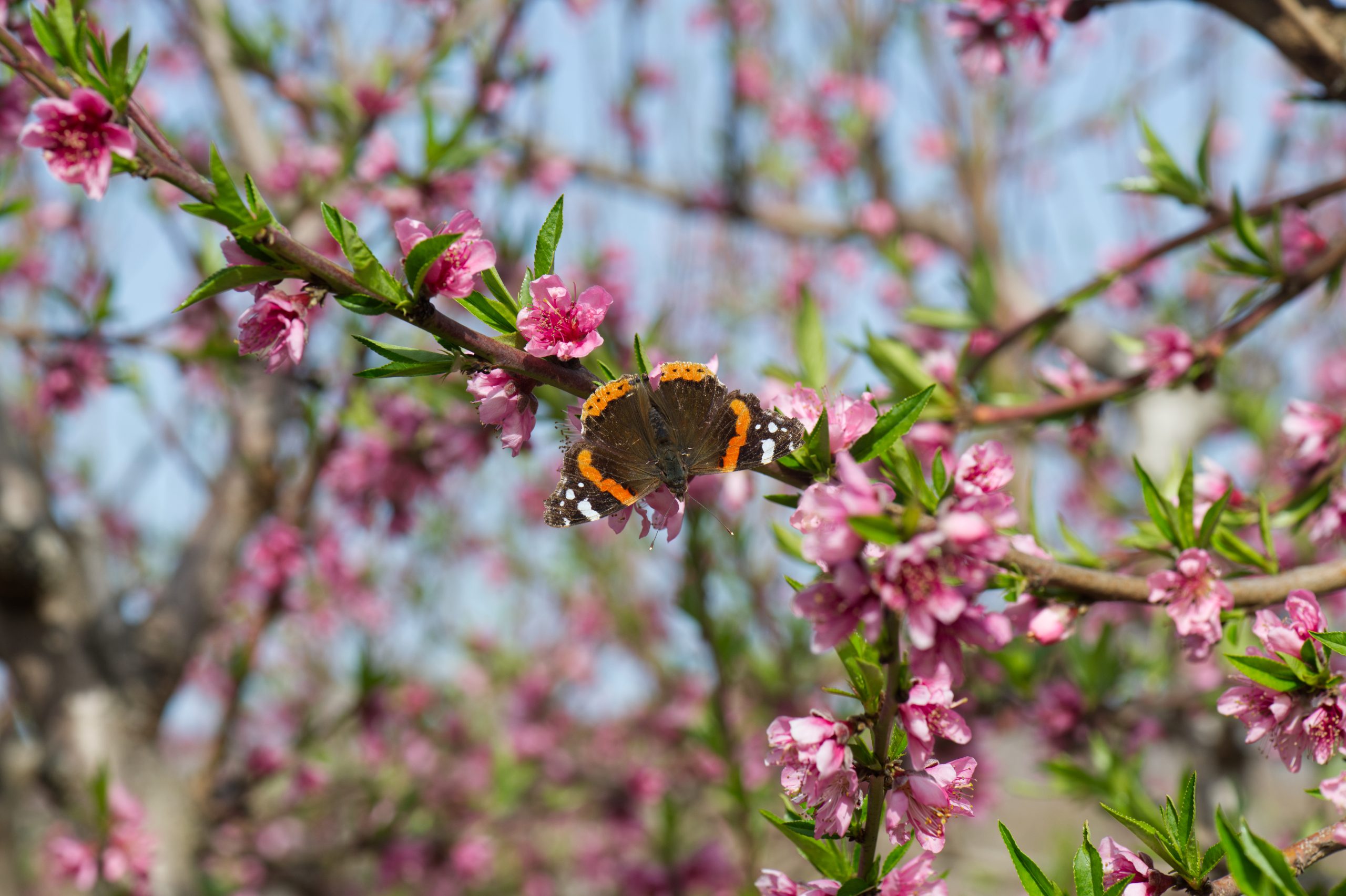
Photos credit: Curro Molina
What we found
Our experiment showed that green covers can significantly improve biodiversity without reducing stone fruit yields. Areas with green covers hosted more plants, pollinators, and spiders than the control plots which is particularly important because these organisms contribute to pest control and soil health.
What are the implications
This case study shows that flowering green covers can be an effective tool to improve biodiversity in intensively managed orchards without reducing yields. In addition, green covers can help reduce the need for herbicides, lowering production costs and further reducing environmental impact. As one participating farmer noted: “I was sceptical at first, but I’m really impressed with the results. The green covers worked well in my orchard. I’ve not seen more pests, and my trees are healthy. Plus, I’ve saved money on herbicides.”
By working together, farmers, scientists, and policymakers can create more sustainable and resilient agricultural systems that benefit both people and the planet.

